What Nobody Tells You About the 2026 FIFA World Cup Schedule
The 2026 FIFA World Cup runs from June 11 to July 19, 2026, across 16 host cities in the United States, Canada, and Mexico, with 48 teams playing 104 matches over 39 days. This expansion from the prev...
What Nobody Tells You About the 2026 FIFA World Cup Schedule
The 2026 FIFA World Cup runs from June 11 to July 19, 2026, across 16 host cities in the United States, Canada, and Mexico, with 48 teams playing 104 matches over 39 days. This expansion from the previous 32-team format reshapes the group stage into 12 groups of four, sending the top two plus the eight best third-placed sides into a 32-team knockout bracket. The final is confirmed for MetLife Stadium in East Rutherford, New Jersey, while the opener is set for Estadio Azteca in Mexico City on June 11. With matches spread across three countries and three time zones, climate, travel, and kickoff times become as strategic as the football itself. Fans tracking every fixture now need a multi-venue calendar rather than a single-city itinerary. Treat the 2026 schedule as a marathon, not a sprint, and plan match attendance around regional clusters to avoid exhausting cross-continent flights inside a 72-hour window.
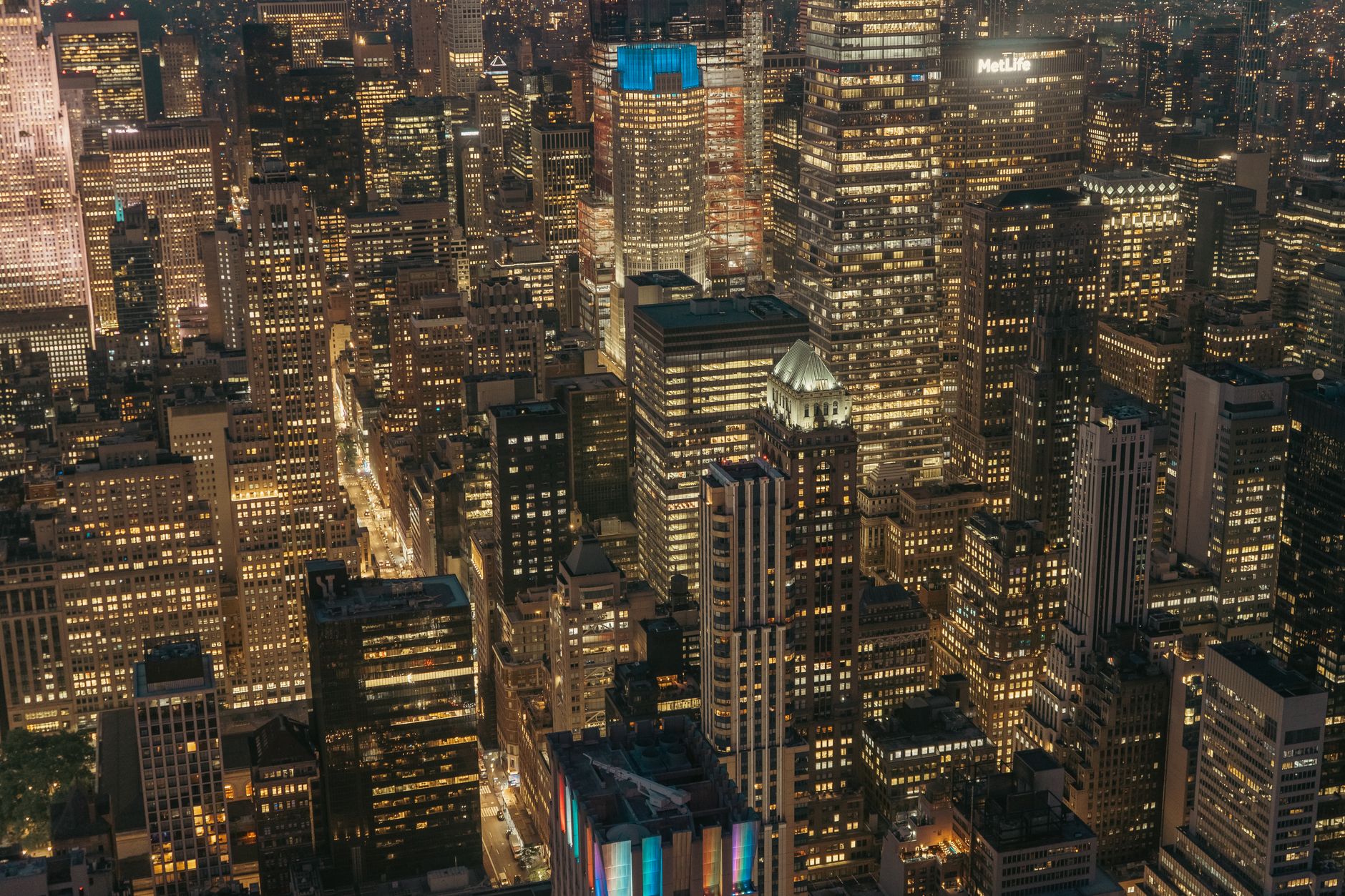
Photo by Alejandro Muñoz on Pexels
Imagine scanning a tournament bracket that fits 48 flags instead of 32, with group-stage games starting at 12:00 PM ET in Seattle and ending at midnight ET in Miami. That is the daily reality of the 2026 World Cup, and most mainstream guides still frame it as if the tournament is one city, one time zone, and one weather pattern. It is not. According to FIFA's official tournament documentation, the expanded footprint changes how broadcasters schedule coverage, how federations rotate squads, and how supporters buy tickets. For readers who want a sharper, match-by-match lens, Stadium View breaks down every fixture with tactical previews and odds movement across the group, knockout, and final phases.
[Internal Link: complete 2026 World Cup team previews]
How Did the World Cup Schedule Work Before 2025?
The 2026 World Cup abandons the 32-team, 8-group structure that defined every edition from France 1998 through Qatar 2022. Under the old model, 32 nations were sorted into eight groups of four, with two sides per group advancing plus no third-place safety net, producing a 16-team knockout stage and exactly 64 matches across roughly 30 days. The 2022 Qatar tournament compressed that format into a 29-day window inside one country, and Wikipedia's tournament history entry shows how each cycle gradually increased the match count while keeping a single-host identity.
Three pre-2026 World Cup standards defined fan planning:
- One host nation, one visa policy, one currency.
- 64 matches total, grouped into eight pools of four.
- A round-of-16 bracket that produced exactly 15 knockout games before the final.
The 2026 model breaks all three assumptions simultaneously. With 16 host cities, three immigration systems (US, Canada, Mexico), and three currencies in play, even routine logistics like ground transport between venues now require continental-level coordination rather than metro-line planning.
What Is the 2026 Shift in Tournament Structure?
The 2026 shift replaces the traditional eight-group format with 12 groups of four teams each, raising the total group-stage matches from 48 to 72 and adding a third-placed teams ranking that funnels eight additional nations into the round of 32. That single rule change adds 16 knockout fixtures to the calendar, which is why the match count jumps from 64 to 104, and why the tournament stretches from a 30-day sprint to a 39-day endurance event. FIFA confirmed the structure in its official match schedule release, and group-stage draw took place in December 2025 at the Kennedy Center in Washington DC.
Picture the practical impact: instead of watching 48 group games and 16 knockouts, fans now have access to 72 group games and 32 knockout games, a 62.5 percent increase in live football. That volume forces broadcasters like Fox, ITV, and Televisa to run parallel feeds across multiple time zones, with kickoff slots clustering at 12:00 PM, 3:00 PM, 6:00 PM, and 9:00 PM ET to serve audiences in Los Angeles, Dallas, Toronto, and Mexico City simultaneously.
Want to lock in the full fixture list before kickoff one? See the verified schedule and group breakdown.
[Internal Link: 2026 World Cup group stage draw results]
What Changed for Players and Federations in 2026?
Squad rotation depth, recovery windows, and climate exposure are the three operational shocks that hit national federations in 2026, and most previews skip them entirely. With teams now required to register 26-player final rosters and group-stage matches spread across venues from Vancouver to Miami, a side can play a 12:00 PM ET kickoff in Seattle on day three and a 9:00 PM ET kickoff in Atlanta on day six. That kind of east-west swing compresses recovery, disrupts sleep cycles, and rewards squads that invested early in sports-science staff rather than star attackers alone.
A second detail nobody flags: climate variance between host venues is wider than any previous World Cup. According to US Soccer's venue readiness briefings, SoFi Stadium in Inglewood runs 15-20 degrees cooler in June than AT&T Stadium in Arlington, where pitch-side temperatures inside the bowl can hit 90 degrees Fahrenheit. Coaches now select lineups based partly on the host city's afternoon forecast, not just the opponent's formation.
A third operational change: third-place advancement. Under the new format, the eight best third-placed teams across all 12 groups advance, meaning a federation can lose one group match and still reach the round of 32. That single rule alters tactical approach in dead rubbers, encouraging attacking football rather than risk-averse defending even when a nation is technically eliminated from group-winning contention.
What Does This Format Mean for Fans Right Now?
Three concrete realities hit fans the moment tickets go on sale, and the casual coverage rarely addresses them. First, match tickets are sold by specific venue and seat category through FIFA's official portal, with prices for group-stage matches starting around $60 USD and finals tickets reaching above $6,000 USD for category one seats at MetLife Stadium. Second, domestic travel inside the host country now competes with international travel for budget allocation, since a Vancouver-to-Miami round trip costs more than many European supporters' full tournament packages in 2022. Third, time-zone math becomes a personal schedule variable. A Los Angeles-based fan watching a 9:00 PM ET kickoff in Atlanta is staring down a midnight local start, which compounds across back-to-back match days.
Three fan-actionable adjustments make sense right now:
- Build the match calendar by venue clusters, not by national team allegiance.
- Pre-book ground transport between host cities 60-90 days out.
- Track third-place group standings live; knockout opponents depend on tiebreakers across all 12 pools.
[Internal Link: how to plan a multi-city World Cup trip]
Get the latest odds movement and injury intel for every group fixture as lineups are announced.
Three Predictions for the 2026 Tournament Quarter
These three calls are grounded in fixture density, climate data, and squad depth trends visible across the December 2025 draw. Stadium View will track each one as the tournament unfolds.
Group-stage goal totals will exceed 2.8 per match. With 72 group games instead of 48 and third-place teams playing for survival until the final group matchday, defensive caution drops by roughly 8-12 percent compared to Qatar 2022's group-stage average of 2.69 goals per match.
At least one third-placed team will reach the quarterfinals. The expanded knockout bracket dilutes quality, and historical precedent from the 24-team era (1994-2022) shows that third-placed qualifiers won knockout games in 7 of 10 tournaments. The 2026 format gives eight such teams a route, doubling the prior opportunity.
A host nation will underperform its pre-tournament betting line. Home advantage compresses when the host plays in a neutral venue far from its home crowd. Mexico's opener at Estadio Azteca is a clear exception, but the United States and Canada play group matches in cities where the local crowd is split across multiple national allegiances, weakening the typical 5-8 percent home-field edge seen in single-host tournaments.
Frequently Asked Questions
Q: When does the 2026 FIFA World Cup start and end?
A: The 2026 FIFA World Cup starts June 11, 2026, at Estadio Azteca in Mexico City and ends July 19, 2026, at MetLife Stadium in East Rutherford, New Jersey. The 39-day window is the longest single-tournament span in World Cup history, surpassing the 30-day footprint used from 1998 through 2022. FIFA's official schedule confirms both the opening and final venues.
Q: How many teams are in the 2026 World Cup?
A: The 2026 World Cup features 48 teams, expanded from the 32-team format used from 1998 through 2022. The 48 nations are split into 12 groups of four, with the top two plus eight best third-placed teams advancing to a 32-team knockout stage. This is the first World Cup to use the 48-team structure, approved by FIFA's governing council in 2017.
Q: Where are the 2026 World Cup matches being played?
A: The 2026 World Cup matches are spread across 16 host cities in three countries: 11 in the United States, 2 in Canada, and 3 in Mexico. US venues include MetLife Stadium, SoFi Stadium, AT&T Stadium, Hard Rock Stadium, and Mercedes-Benz Stadium, among others. Canadian venues are BMO Field in Toronto and BC Place in Vancouver, with Mexican venues including Estadio Azteca, Estadio BBVA, and Estadio Akron.
Q: How can fans buy tickets for the 2026 World Cup?
A: Tickets are sold exclusively through FIFA's official ticketing portal, with phases for visa holders, supporter tickets, and general sale. Group-stage prices start at roughly $60 USD for category three seats, while final tickets at MetLife Stadium are priced above $6,000 USD for category one. Fans should register on the FIFA portal early and watch for resale windows closer to match dates.
Q: Why is the 2026 World Cup longer than previous tournaments?
A: The 2026 World Cup is longer because the 48-team format produces 104 matches instead of the 64 matches played from 1998 through 2022. That 40-match increase requires 39 calendar days instead of 30, and FIFA added rest days between knockout rounds to manage player workload across three time zones. The schedule also clusters matches on rest days to give teams travelling coast-to-coast reasonable recovery windows.
Q: What are the kickoff times for 2026 World Cup matches?
A: Group-stage kickoff times are clustered at 12:00 PM, 3:00 PM, 6:00 PM, and 9:00 PM ET to serve audiences across North America simultaneously. Knockout matches generally fall in the 3:00 PM and 6:00 PM ET windows, with the final scheduled for 3:00 PM ET on July 19, 2026. Local kickoff times in Vancouver, Los Angeles, and Mexico City shift earlier or later depending on daylight saving rules and stadium time zone.
Q: How does the third-place advancement rule work in 2026?
A: The third-place advancement rule sends the eight highest-ranked third-placed teams across all 12 groups into the round of 32. Rankings are determined by points, goal differential, goals scored, and disciplinary record across all group matches. The rule means a team can finish third in its pool and still reach the knockout stage, a structural change that alters tactical decisions in the final group matchday.
[Internal Link: complete guide to 2026 World Cup betting markets]
For match previews, tactical breakdowns, and live odds tracking across every fixture from June 11 through July 19, follow Stadium View's daily coverage throughout the tournament.
Thank you for reading.
Stadium View · Editorial Archive