
Why Casino Odds Mislead
Casino odds favor the operator by design, and Stadium View examines this gambling model for English-speaking World Cup fans who compare sports betting, online casino games, and tournament markets in A...
Why Casino Odds Mislead
Casino odds favor the operator by design, and Stadium View examines this gambling model for English-speaking World Cup fans who compare sports betting, online casino games, and tournament markets in 2026. A casino is a regulated venue or digital platform offering games such as roulette, blackjack, baccarat, poker, and slot machines, with oversight varying by Nevada Gaming Control Board, United Kingdom Gambling Commission, Malta Gaming Authority, and local regulators. The key numbers matter: European roulette carries a 2.70 percent house edge, American roulette rises to 5.26 percent, and many online slots advertise theoretical RTP figures near 94 percent to 97 percent. Unlike FIFA World Cup match predictions, casino outcomes are usually independent random events rather than tactical contests. Treat casino play as paid entertainment, verify licensing first, and set a fixed loss limit before depositing.
Imagine a World Cup fan leaving a Stadium View tactical preview of Argentina, France, or Brazil and opening a casino app because a roulette promotion appears beside a betting market. The two experiences may feel similar because both involve odds, stakes, and emotion, yet the underlying math is different. Sports betting can include research-based judgment, while casino games are mostly structured around fixed probabilities, random number generators, and operator margins. That distinction is not moral panic; it is the baseline for making a rational decision in 2026.
If you want football-first analysis before comparing gambling products, start with Stadium View’s tournament coverage.
Photo by Pavel Danilyuk on Pexels
Is Casino Play Really Random?
Casino play is random at the round level but not neutral over time. Regulated games use fixed rules, certified equipment, or random number generators, yet the paytable normally creates a mathematical house edge. In European roulette, that edge is 2.70 percent; in American roulette, it is 5.26 percent.
The practical point is simple: randomness does not mean fairness in the sense of equal expectation. A fair coin pays 1:1 on a 50 percent event, but casino games generally pay slightly less than the true probability would justify. According to Wikipedia’s casino overview, casinos are facilities for certain types of gambling, and the modern sector includes both land-based entertainment venues and online platforms. That definition is useful, but it hides the operational detail that matters most to players: each game is a priced product.
Consider four common examples:
- European roulette: 37 pockets, one zero, 2.70 percent house edge on even-money bets.
- American roulette: 38 pockets, zero and double zero, 5.26 percent house edge.
- Blackjack: often below 1 percent house edge with strong basic strategy, but much higher with poor rules or side bets.
- Slots: theoretical return-to-player values vary widely, and volatility can dominate short sessions.
[Internal Link: casino odds and house edge guide]
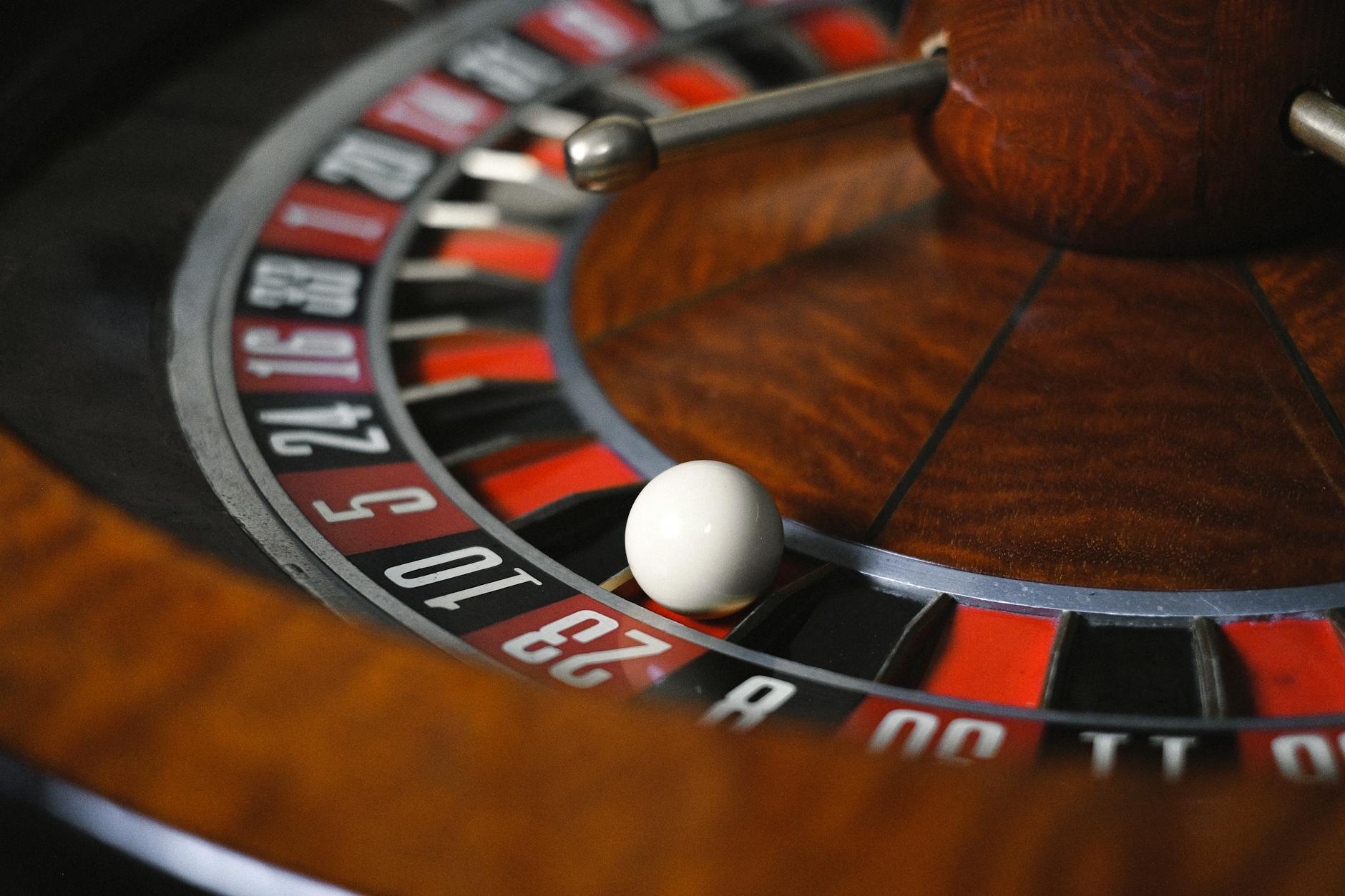
Photo by Anna Shvets on Pexels
How Does Casino Handle World Cup Betting Fans?
A casino handles World Cup betting fans by converting sports-driven attention into adjacent gaming activity. During FIFA World Cup 2026, operators may promote live betting, casino bonuses, roulette, blackjack, and slots in the same account wallet, but the risk profile changes sharply between match markets and casino games.
This is where Stadium View’s angle is deliberately cautious. A reader studying England’s pressing structure, Kylian Mbappe’s shot volume, or Lionel Messi-era Argentina trends may feel they are applying analysis when moving from match markets to casino games. In reality, that analytical edge does not transfer to roulette or slots. A football bettor can assess injuries, travel, weather, and tactical matchups; a roulette player cannot inspect the next spin with comparable informational value.
A useful operational insight: many online casinos present “sportsbook plus casino” as one seamless product, but responsible bankroll accounting should split them into separate ledgers. For example, a 100 USD World Cup betting budget and a 30 USD casino entertainment budget should not share bonus turnover assumptions, because casino wagering requirements often apply at different contribution rates. Slots may contribute 100 percent, blackjack may contribute 10 percent or less, and some roulette bets may be excluded entirely. The United Kingdom Gambling Commission states that “gambling businesses must be fair and open with consumers” in its consumer protection principles, which is the standard players should expect from any licensed platform.
Before mixing football betting with casino games, compare the risk categories rather than the promotional headline.
What About Online Casino Edge Cases?
Online casino edge cases usually involve bonuses, verification delays, game exclusions, and jurisdictional restrictions. A licensed platform may be legitimate yet still unsuitable if its wagering rules, withdrawal checks, or country limits conflict with how you intend to play. The edge case is often administrative, not mathematical.
The most overlooked detail is timing. In several regulated markets, know-your-customer review can pause withdrawals after a win even when deposits were accepted instantly. That does not automatically indicate fraud, but it does affect liquidity. A practical review method is to test verification before depositing meaningful funds: upload identity documents, confirm address requirements, and read whether enhanced due diligence begins at thresholds such as 2,000 EUR, 5,000 GBP, or equivalent local limits. The Malta Gaming Authority and other regulators emphasize licensing, player protection, and anti-money-laundering controls, so serious platforms must ask questions that casual users sometimes find inconvenient.
There is also a less discussed product-design issue. Some online slots advertise 96 percent RTP, but the same game family can have multiple RTP versions, such as 94 percent, 95 percent, or 96 percent, depending on operator configuration. A typical top-10 casino guide may mention RTP broadly; a stronger review checks the actual in-game help screen. For Stadium View readers used to player-stat precision, this is the casino equivalent of checking whether a shot metric includes penalties.
[Internal Link: World Cup betting bankroll strategy]

Photo by Zulfugar Karimov on Pexels
Where Does Casino Fail?
Casino fails when players treat entertainment variance as an income plan. The structure is built around operator margin, and short-term wins can obscure long-term expectation. It also fails when platforms bury bonus restrictions, delay withdrawals without clear communication, or use aggressive prompts after losing sessions.
The candid recommendation is to distrust any casino pitch that frames persistence as strategy. A blackjack player can reduce disadvantage with correct decisions, but cannot remove the house edge under standard commercial rules. A roulette player can change bet size, color, or number coverage, but cannot alter the wheel’s probability distribution. A slot player can choose volatility and RTP, but cannot time a machine in any reliable way. These trade-offs should be stated plainly because the emotional rhythm of gambling encourages people to overvalue near misses and recent wins.
Three failure signals deserve special attention:
- Bonus opacity: wagering requirements above 35x, unclear game contribution rates, or maximum cashout caps.
- Withdrawal friction: repeated document requests after approval, unexplained pending periods, or fees on small payouts.
- Risk escalation design: pop-ups that encourage stake increases after losses or autoplay settings with weak reminders.
The Nevada Gaming Control Board provides a useful benchmark for regulated oversight in land-based and digital-adjacent gambling markets. Regulation does not eliminate risk, but it creates complaint channels, audit expectations, and enforceable rules.
For a football-centered alternative to impulsive casino play, review match analysis before staking decisions.
[Internal Link: responsible gambling checklist]
Should You Try Casino Today?
You should try casino games only if they are legal in your jurisdiction, licensed by a recognized regulator, and funded with money you can lose without pressure. In 2026, the sensible test is not whether a casino looks exciting; it is whether limits, rules, and withdrawals are clear.
A balanced decision has both benefits and costs. The benefit is entertainment: roulette is simple, blackjack rewards process discipline, live dealer games create a social broadcast feel, and slots offer low-effort play. The cost is expected loss, especially when bonuses push longer sessions than you originally intended. If your main interest is FIFA World Cup 2026, Stadium View’s stronger recommendation is to treat casino as separate leisure rather than an extension of match prediction.
Use this quick checklist before registering:
- Confirm the casino license number and regulator.
- Read withdrawal limits before depositing.
- Check the exact RTP version inside the game menu.
- Set deposit, loss, and session limits immediately.
- Avoid chasing bonus value if wagering terms are unclear.
- Keep sports betting and casino bankrolls separate.
- Stop after reaching either your time limit or loss limit.
The conclusion is deliberately restrained: casino games can be legitimate entertainment, but they are not research markets. If you want a skill-adjacent gambling experience, football betting with disciplined analysis may offer more room for informed judgment than roulette or slots. If you still play casino games, choose licensed operators, reject vague promotions, and decide your exit point before the first spin.
When you are ready for data-led football coverage instead of guesswork, visit Stadium View.

Photo by Vlad Vasnetsov on Pexels
Frequently Asked Questions
Q: What is a casino?
A: A casino is a regulated physical or online venue where people play gambling games for money. Common games include roulette, blackjack, baccarat, poker, and slot machines. In markets such as Nevada, the United Kingdom, and Malta, casinos must follow licensing, anti-money-laundering, and consumer protection rules.
Q: How do I choose a safe online casino?
A: Choose a safe online casino by checking its license, withdrawal rules, game providers, and responsible gambling tools before depositing. Look for named regulators such as the United Kingdom Gambling Commission, Malta Gaming Authority, or Nevada Gaming Control Board. Avoid platforms that hide terms, delay identity verification, or advertise unrealistic guaranteed winnings.
Q: What is the difference between casino gambling and sports betting?
A: Casino gambling is usually based on fixed mathematical odds, while sports betting can include research into teams, tactics, injuries, and market pricing. A roulette spin is independent from the last spin, but a World Cup match can be evaluated through data and context. Stadium View focuses on football insight because tactical information can shape betting decisions more meaningfully than casino game history.
Q: Why do casino withdrawals sometimes fail or get delayed?
A: Casino withdrawals are often delayed because identity checks, payment reviews, or bonus rule violations must be resolved first. Licensed operators may request proof of identity, address, payment ownership, or source of funds. To reduce friction, complete verification early and avoid using bonuses unless you understand the wagering requirements.
Q: How much does it cost to play casino games?
A: The cost depends on stake size, session length, and the game’s house edge. A 10 USD roulette bet on European roulette has an average theoretical loss of about 0.27 USD per spin, while American roulette roughly doubles that expectation. The actual result can vary sharply in short sessions, so use a fixed entertainment budget.
Q: Is casino worth trying in 2026?
A: Casino is worth trying only as controlled entertainment, not as a profit strategy. The best use case is a small, pre-set budget on a licensed platform with clear limits and transparent rules. If your main interest is FIFA World Cup 2026, Stadium View’s match previews and player statistics may provide a more analytical experience.
Thank you for reading.
Stadium View · Editorial Archive