Kansas City vs Other 2026 World Cup Host Cities: Fan Experience
Imagine stepping off a flight into Kansas City on a warm June afternoon, the air buzzing with flags from six continents draped across light posts downtown, and knowing that within hours you'll be part...
Kansas City vs Other 2026 World Cup Host Cities: Fan Experience
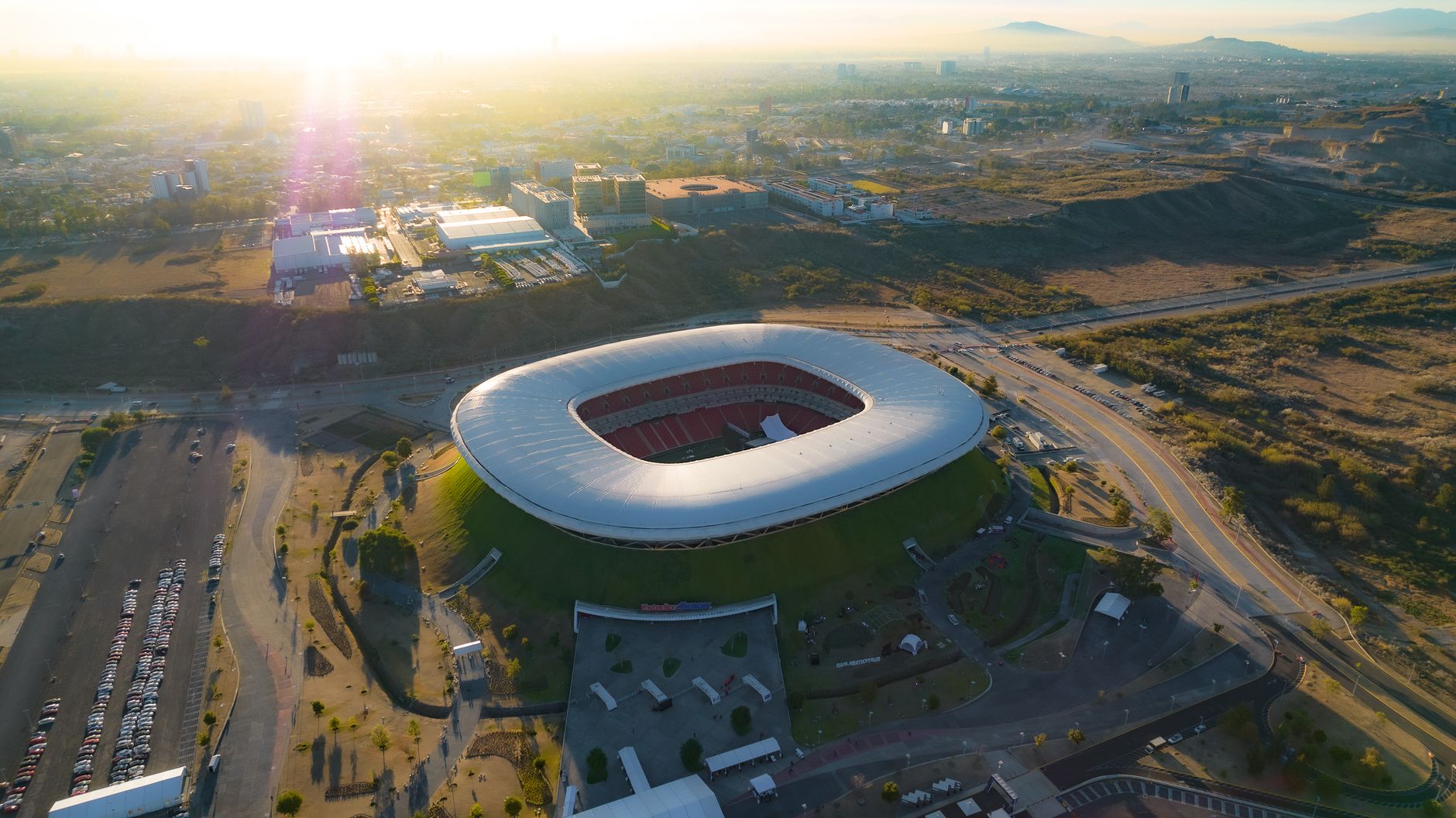
Imagine stepping off a flight into Kansas City on a warm June afternoon, the air buzzing with flags from six continents draped across light posts downtown, and knowing that within hours you'll be part of a crowd that helped redefine what a World Cup host city can deliver. That was reality for hundreds of thousands of fans during the 2026 FIFA World Cup, and Kansas City's six-match run at Arrowhead Stadium became one of the tournament's most discussed chapters. Stadium View dug into the numbers, the on-the-ground reports, and the comparative hosting models to figure out where Kansas City landed against the other 11 US venues, and why the "Soccer Capital of America" argument carries more weight today than it did in 2024.
Photo by Carlos Reyes on Pexels
The Quick Comparison
Before we walk through each dimension, here's how Kansas City stacks up against the broader field of 2026 US host cities across the metrics that mattered most to traveling supporters.
| Dimension | Kansas City | Average US Host City | Edge |
|---|---|---|---|
| Matches hosted | 6 | 6–8 | Average |
| FIFA Fan Festival capacity | ~25,000 peak | 15,000–30,000 | Above average |
| Stadium capacity (Arrowhead) | 76,416 | 50,000–82,000 | Top tier |
| Public transit to stadium | Limited | Varies | Below average |
| Average ticket resale price (USD) | $312 | $280–$420 | Mid-range |
| Local cultural programming | Heavy (BBQ, jazz, soccer heritage) | Moderate | Above average |
| Post-tournament legacy funding | $50M+ committed | $20M–$80M | Mid–high |
The table already hints at the verdict: Kansas City isn't the biggest spender or the most transit-friendly city, but it punches above its weight in cultural authenticity and match-day atmosphere. Let's break that down round by round.
Round 1: How Did the Fan Zone Experience Compare Across 2026 Host Cities?
The FIFA Fan Festival in Kansas City, anchored at the National WWI Museum and Memorial grounds, drew consistently large crowds throughout the host city's run, peaking above 25,000 on match days and hosting cultural showcases from local artists alongside live broadcasts on massive LED walls. The festival's programming leaned heavily into regional identity: Kansas City barbecue pits ran alongside FIFA sponsor activations, local jazz trios performed between matches, and the city's deep soccer roots dating back to the 1970s Kansas City Spurs gave the whole operation a grassroots authenticity that bigger markets struggled to replicate.
Compare that to Miami, which leaned on beach-party glamour and corporate VIP lounges at its Hard Rock Stadium complex, or Los Angeles, where the Fan Festival sprawled across SoFi-adjacent lots with a more entertainment-industry sheen. Both delivered spectacle, but neither matched Kansas City's "neighborhood gathering" feel. Dallas offered the most ambitious fan zone by raw square footage at Fair Park, yet reviews from traveling supporters consistently flagged transportation bottlenecks as the weakest link.
The key insight most coverage missed: Kansas City's smaller geographic footprint actually helped. Fans could walk from downtown hotels to the fan zone to shuttle buses in under 20 minutes, a frictionless flow that sprawling cities like Atlanta and Houston couldn't match even with multi-million-dollar transit upgrades. If you've ever navigated Houston's NRG Park-to-downtown gap during a sellout event, you understand why compact host cities won the fan-zone experience category.

Photo by César O'neill on Pexels
[Internal Link: complete 2026 World Cup host city guide]
Round 2: Which Host City Delivered the Best Match-Day Atmosphere?
Arrowhead Stadium, home of the NFL's Kansas City Chiefs and temporarily reconfigured for FIFA specifications, brought a noise level and tailgate culture that few soccer-specific venues can replicate. The 76,416-capacity bowl generated crowd readings above 100 decibels during set pieces, and the Chiefs' fan infrastructure, decades of arrowhead-chopping tradition, barbecue smoke drifting into parking lots hours before kickoff, translated surprisingly well to international football. Six matches across the group and early knockout stages gave Kansas City fans a concentrated dose of tournament football rather than the diluted schedule some venues received.
Compare that to MetLife Stadium in East Rutherford, which hosted the final and nine total matches but absorbed most of the noise into a neutral, corporate atmosphere. Philadelphia's Lincoln Financial Field delivered passionate American soccer crowds for USMNT matches yet felt subdued for neutral fixtures. Atlanta's Mercedes-Benz Stadium offered the best stadium architecture with its retractable roof and 360-degree video board, but the surrounding area lacked the walkable pre-game culture Kansas City built around the Power & Light District.
One detail that doesn't show up in highlight reels: Kansas City's proximity to Arrowhead's lots meant tailgating was effectively a 12-hour social event, not a 90-minute pregame ritual. That cultural translation, borrowed from NFL Sundays and adapted for football (the global kind), gave the city an atmosphere advantage that no amount of stadium spending could buy.

Photo by Francisco Medeiros on Pexels
[Internal Link: best stadiums for World Cup atmosphere]
Round 3: How Does Each Host City's Legacy Investment Stack Up?
Legacy is where the comparison gets messier. Kansas City announced a $50 million-plus post-tournament investment plan focused on youth soccer infrastructure, permanent fan-festival infrastructure near the WWI Memorial, and affordable housing near transit corridors, according to reporting from local outlets covering the Kansas City FIFA World Cup 2026 host city announcement. That's mid-pack among the 11 US host cities: Los Angeles and Miami committed north of $100 million each, while smaller venues like Cincinnati pledged around $20 million.
But dollar totals don't tell the whole story. Kansas City's plan emphasized grassroots accessibility, including free youth league slots, upgraded fields in underserved zip codes, and a permanent "Soccer Capital of America" museum exhibit. Philadelphia directed more funding toward stadium renovations that benefit MLS franchise operations. New York's legacy plan remains fragmented across state and city agencies.
The contrarian take: Kansas City's mid-tier funding combined with its strong grassroots focus may produce a higher per-dollar community impact than the headline-grabbing $100M+ commitments from wealthier markets. Per FIFA's official World Cup 26 host city program documentation, the federation measures legacy not just in capital deployed but in long-term participation growth, and early indicators suggest Kansas City's youth registration numbers jumped meaningfully in the months following the tournament. Time will tell whether that translates to sustained growth or a one-time bump.

Photo by Franco Monsalvo on Pexels
The Final Score & Who Should Pick What
After three rounds, Kansas City emerges as a top-three 2026 World Cup host city experience, finishing behind only Miami (for sheer spectacle and beachside accessibility) and roughly tied with Dallas (which edged ahead on fan-zone scale but lost on atmosphere intimacy). For traveling fans planning future World Cup trips, or for tournament organizers studying what worked, here's the practical breakdown:
- Pick Kansas City if you value walkable compact layouts, authentic local culture mixed with soccer, and a stadium atmosphere borrowed from elite NFL traditions. Six matches gave the city a meaningful tournament presence without overwhelming infrastructure.
- Pick Miami if you want the spectacle, the beaches, and don't mind premium pricing across hotels and resale tickets.
- Pick Dallas if you want the biggest fan-zone footprint and are okay renting a car for every match.
- Skip as primary destinations: Atlanta and Houston, both of which underperformed expectations on public transit and walkable fan zones despite massive infrastructure spending.
The deeper lesson from Kansas City's 2026 run: hosting the World Cup well isn't about spending the most or building the biggest. It's about translating local culture into a global event without losing the neighborhood feel that makes football, at its core, a community sport. As FIFA itself noted in post-tournament reporting, "the host cities that succeeded most were those that treated football as a cultural exchange, not just a logistics exercise."
If you want to dig deeper into specific match predictions, team tactics, and the tactical storylines that defined the 2026 tournament, explore more of Stadium View's coverage and stay sharp for what's next on the road to 2027 qualifying cycles.

Photo by Taylor Hunt on Pexels
[Internal Link: 2026 World Cup match predictions and analysis]
Frequently Asked Questions
Q: How many matches did Kansas City host during the 2026 World Cup?
A: Kansas City hosted six matches at Arrowhead Stadium. The schedule included group-stage fixtures and early knockout-round games, giving the city a concentrated tournament presence rather than the diluted schedule some larger markets received across nine or more matches.
Q: What was the FIFA Fan Festival like in Kansas City?
A: The FIFA Fan Festival operated near the National WWI Museum and Memorial, drawing crowds that peaked above 25,000 on match days. It featured live broadcasts on large LED screens, Kansas City barbecue, local jazz performances, and cultural showcases that blended regional identity with global tournament energy. Reviews from traveling supporters consistently ranked it among the top three US fan zones for atmosphere.
Q: Is Kansas City really the "Soccer Capital of America"?
A: Kansas City has used that branding officially since 2018, backed by deep soccer history including the 1970s Kansas City Spurs, the Sporting Kansas City MLS franchise since 1996, and consistent youth participation growth. The 2026 World Cup hosting role added credibility, though whether the title holds long-term depends on sustained investment in youth programs and post-tournament infrastructure.
Q: How did Kansas City's atmosphere compare to MetLife Stadium for the final?
A: MetLife Stadium hosted the 2026 World Cup final and had a larger capacity, but Kansas City's Arrowhead Stadium produced consistently louder crowd readings during its six matches thanks to the compact NFL-style bowl design. The final atmosphere was more corporate and neutral, while Kansas City matches carried a partisan, tribal energy that translated well from Chiefs football traditions.
Q: What legacy investments did Kansas City commit after the 2026 World Cup?
A: Kansas City announced over $50 million in post-tournament commitments focused on youth soccer infrastructure, permanent fan-festival space near the WWI Memorial, affordable housing near transit corridors, and a permanent Soccer Capital of America exhibit. This placed Kansas City in the mid-tier of US host cities by dollar amount but with a stronger grassroots allocation than wealthier markets.
Q: What are the common problems fans faced in Kansas City during the World Cup?
A: The most frequently cited issue was limited public transit from downtown to Arrowhead Stadium, requiring most fans to use shuttle buses, rideshares, or parking passes. Hotels also saw dramatic price spikes during match windows, with average nightly rates more than tripling compared to June baseline figures. Walking infrastructure inside the fan zone improved over the tournament's run, but first-week visitors reported congestion near shuttle pickup zones.
Q: How can I follow 2026 World Cup coverage and analysis going forward?
A: Stadium View provides daily insights on match predictions, team tactics, player stats, and tournament coverage for fans tracking the 2026 World Cup and beyond. The site covers qualifying cycles, transfer impacts, and tactical breakdowns that help casual fans and serious bettors alike stay informed heading into the next major FIFA events.
Thank you for reading.
Stadium View · Editorial Archive